
Table of Contents
So you understand that drugs or alcohol are draining you. Moreover, it’s affecting your life personally, emotionally, and mentally.
You might quit for a few days. But the temptation doesn’t let you stop.
This is where HOFL comes into play. We are Nepal’s first Vipassi Rehab Center.
We provide guided meditation to help you control your mind and emotions. We help people with drug and alcohol habits.
This doesn’t mean you replace medical care from a doctor. It works hand in hand with it.
It is a part of a full healing plan. Meditation helps you become more aware and teaches you how to handle the craving without losing yourself.
In this guide, we will look at what the benefits of meditation are in Addiction Recovery. How meditation helps you beat addiction. The exact benefits it brings, and how it fits into a complete, healthy recovery plan.
What Is Meditation and Why Is It Used in Addiction Recovery?
Understanding Meditation
Meditation is a practice of focused attention and awareness — typically involving stillness, breath, or guided reflection — that trains the mind to observe thoughts and feelings without becoming overwhelmed by them. Rather than suppressing difficult emotions, meditation teaches individuals to notice and sit with them, building tolerance and reducing their power over behavior.

How Meditation Supports Mental Wellness
Regular meditation practice has been shown to reduce activity in the brain’s stress-response systems while strengthening areas associated with emotional regulation and self-control. For individuals in recovery, this translates into greater calm, improved mood stability, and a stronger capacity to manage the mental and emotional ups and downs that are a natural part of the healing process.
The Connection Between Mindfulness and Recovery
Mindfulness — the core skill developed through meditation — is the ability to stay present and aware without judgment. In recovery, this skill is invaluable. It allows individuals to recognize a craving or trigger as it arises, create space between the urge and the reaction, and make a conscious, healthier choice rather than acting on impulse.
How Addiction Affects the Mind and Emotions
Stress and Anxiety in Recovery
Early recovery is often accompanied by heightened stress and anxiety. The body and mind are adjusting to functioning without a substance they had come to rely on, and this transition can feel overwhelming. Left unmanaged, this stress can become a significant relapse risk.
Emotional Triggers and Cravings
Certain people, places, emotions, or situations can trigger intense cravings — even long after substance use has stopped. These triggers are often tied to unresolved emotional pain, making emotional awareness and regulation a critical part of sustained recovery.
Challenges During Early Recovery
Beyond cravings, early recovery often involves difficulty sleeping, irritability, low motivation, and a general sense of emotional rawness. These challenges, while temporary, can feel intense — which is exactly why tools like meditation that build resilience and calm are so valuable during this stage.
7 Key Benefits of Meditation in Addiction Recovery
1. Helps Manage Stress and Anxiety
One of the most well-documented benefits of meditation in addiction recovery is its ability to lower stress levels. Through regular practice, individuals develop better emotional regulation and greater resilience in the face of daily pressures. This is especially important in recovery, where unmanaged stress is one of the most common relapse triggers.
2. Reduces Cravings and Impulsive Behaviors
Meditation builds greater self-awareness, helping individuals notice cravings as they arise rather than being swept up by them. With practice, this awareness translates into an improved ability to respond to triggers thoughtfully rather than impulsively — supporting better decision-making in high-risk moments.
3. Improves Emotional Stability
Addiction recovery often surfaces difficult emotions — anger, fear, frustration, and grief. Meditation provides a safe, structured way to process these feelings rather than suppress or avoid them, supporting genuine emotional healing rather than simply white-knuckling through difficult moments.
4. Enhances Self-Awareness
Through consistent practice, individuals become more attuned to their own thought patterns — including the specific thoughts and beliefs that have historically driven their addiction. This deeper self-understanding supports meaningful personal growth and helps individuals recognize triggers before they escalate.
5. Supports Better Sleep and Relaxation
Sleep disturbances are extremely common during recovery, as the body and brain adjust to functioning without substances. Meditation — particularly relaxation-focused practices — helps calm the nervous system before bed, supporting more restful sleep and contributing to overall physical and emotional recovery.
6. Strengthens Focus and Mental Clarity
Addiction can significantly impair concentration and cognitive function. Meditation helps rebuild focus and mental clarity over time, supporting better daily functioning and making it easier for individuals to stay engaged with recovery goals, work, relationships, and other responsibilities.
7. Helps Prevent Relapse
Perhaps the most important long-term benefit, meditation therapy for addiction directly supports relapse prevention by strengthening an individual’s ability to manage triggers, regulate emotions, and stay grounded during high-risk moments. Combined with other recovery strategies, a consistent meditation practice provides an additional layer of protection against relapse.
Types of Meditation for Addiction Recovery
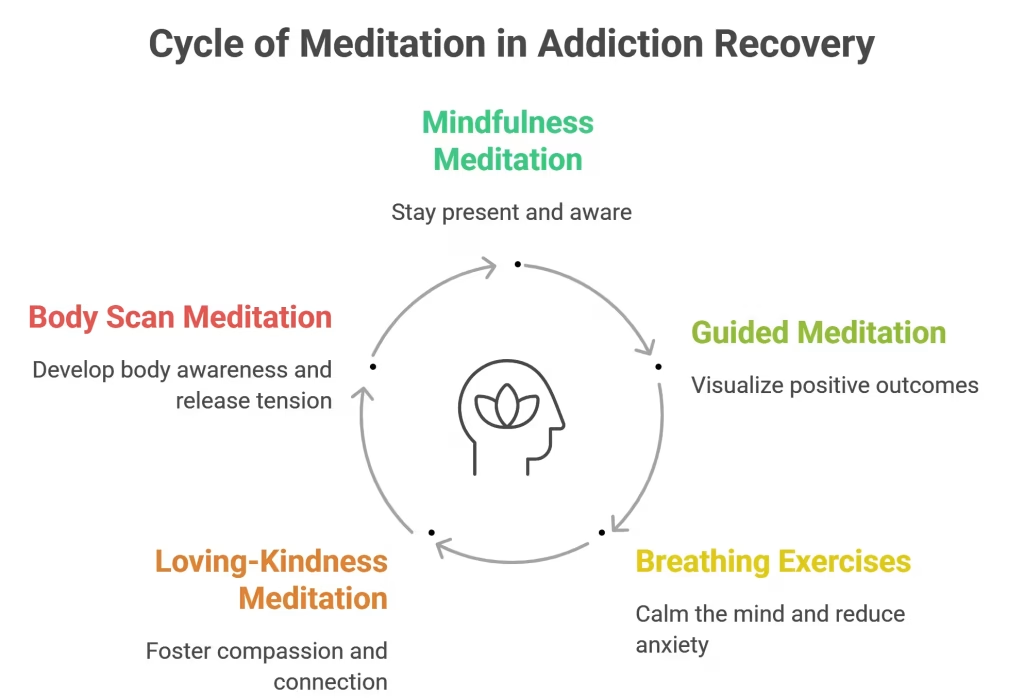
Mindfulness Meditation
Mindfulness meditation for addiction recovery involves observing thoughts, feelings, and bodily sensations without judgment. It is one of the most widely used forms of meditation in addiction treatment, as it directly builds the present-moment awareness needed to manage cravings and triggers.
Guided Meditation
Guided meditation involves following along with a teacher or recorded narration, making it especially accessible for those new to the practice. This approach is often used in group therapy and treatment settings as an introduction to mindfulness-based techniques.
Breathing Exercises
Simple, structured breathing techniques can quickly calm the nervous system and reduce the intensity of cravings or anxiety in the moment. Because they require no special setting or equipment, breathing exercises are one of the most practical tools individuals can use anywhere, anytime.
Loving-Kindness Meditation
This practice involves directing feelings of compassion — first toward oneself, then toward others. For individuals in recovery, who often carry significant guilt or shame, loving-kindness meditation can be a powerful tool for self-forgiveness and emotional healing.
Body Scan Meditation
Body scan meditation involves bringing focused attention to different parts of the body in sequence, promoting relaxation and helping individuals reconnect with physical sensations in a grounded, non-judgmental way. This practice is particularly useful for managing physical tension and restlessness during early recovery.
How to Start a Meditation Practice During Recovery
Start with Short Sessions
There is no need to begin with long, formal sessions. Even five to ten minutes of meditation a day can produce meaningful benefits. Starting small makes the practice approachable and helps build sustainable habits rather than overwhelming expectations.
Create a Consistent Routine
Consistency matters more than duration. Practicing at the same time each day — whether first thing in the morning or before bed — helps meditation become a stable, grounding part of the daily recovery routine.
Focus on Progress, Not Perfection
A wandering mind is a normal part of meditation, not a sign of failure. The goal is not to eliminate thoughts entirely, but to gently practice returning attention to the present moment. Progress in meditation, like recovery itself, happens gradually.
Seek Guidance When Needed
For those new to meditation, guided sessions, apps, or support from a counselor trained in mindfulness-based approaches can make the practice far more accessible. Professional guidance ensures meditation is integrated effectively alongside other elements of a recovery plan.
The Role of Meditation in Holistic Addiction Treatment
Meditation works best not as a standalone solution, but as one part of a comprehensive, holistic treatment plan. Effective addiction recovery typically combines several complementary approaches:
- Counseling: Addressing the underlying psychological and emotional roots of addiction
- Family therapy: Repairing relationships and building a supportive home environment
- Group therapy: Providing peer connection, shared experience, and mutual accountability
- Physical wellness: Supporting the body’s healing through movement, nutrition, and rest
- Meditation and mindfulness: Building emotional regulation, self-awareness, and stress resilience
When these elements work together, individuals are supported on every level — physical, emotional, psychological, and relational — giving them the strongest possible foundation for lasting recovery.
How House of Future Leaders Incorporates Holistic Recovery Approaches
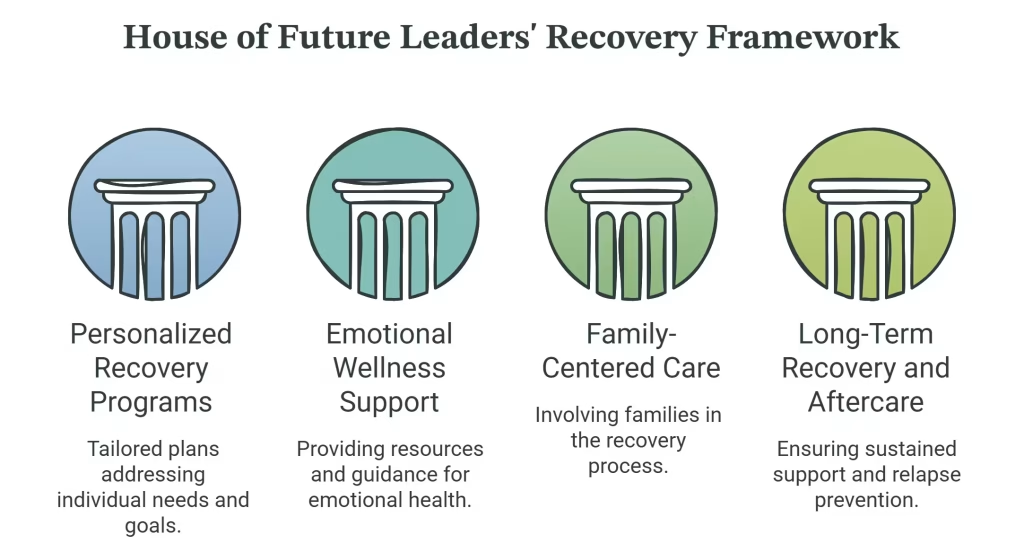
At House of Future Leaders in Lalitpur, holistic practices like meditation and mindfulness are woven into a broader, personalized approach to addiction treatment — supporting individuals across the Kathmandu Valley on their recovery journey.
Personalized Recovery
Every individual’s treatment plan is built around their unique history, needs, and goals — combining clinical therapy with holistic practices like meditation to support whole-person healing.
Emotional Wellness Support
Our approach recognizes that emotional healing is just as important as physical recovery. Mindfulness-based practices are incorporated alongside counseling to help individuals build lasting emotional resilience.
Family-Centered Care
We believe recovery is strongest when families are involved. Through family counseling, we help loved ones understand and support the recovery process — including the role of practices like meditation in long-term healing.
Long-Term Recovery and Aftercare
Holistic tools like meditation are not left behind after treatment ends. Our aftercare support helps individuals continue building these skills, supporting sustained recovery well beyond their time at our center.
To learn more about our approach, visit our drug addiction treatment programs or contact us to speak with our team.
Conclusion
Meditation offers powerful support for emotional and mental healing during addiction recovery. By reducing stress, improving self-awareness, and strengthening the skills needed to navigate cravings and triggers, it plays a meaningful role in helping individuals build a stable, lasting recovery.
That said, recovery is most effective when supported by multiple, complementary approaches — combining meditation with professional counseling, therapy, and a strong support system. If you or someone you love is navigating addiction, know that recovery is possible, and the right support can make all the difference.
📞 Call or WhatsApp House of Future Leaders today for a confidential consultation.
🌐 Contact House of Future Leaders
📋 Begin the Admission Process
House of Future Leaders — Serving Kathmandu, Lalitpur, Bhaktapur, and all of Nepal.
Frequently Asked Questions
Can meditation help with addiction recovery?
Yes. Meditation supports addiction recovery by reducing stress, improving emotional regulation, and increasing self-awareness — all of which help individuals manage cravings and triggers more effectively. It works best as part of a broader, professionally guided treatment plan
How often should someone meditate during recovery?
Even a short daily practice of five to ten minutes can offer meaningful benefits. Consistency is more important than duration — a brief, regular practice tends to be more effective than occasional, longer sessions.
Does meditation reduce cravings?
Yes. By building awareness of thoughts and sensations as they arise, meditation helps individuals notice cravings without immediately acting on them — creating space for more thoughtful, healthier responses over time.
Which type of meditation is best for addiction recovery?
Mindfulness meditation, guided meditation, and breathing exercises are among the most commonly recommended for addiction recovery, as they are accessible and directly support emotional regulation. The most effective type often depends on individual preference.
Can meditation replace therapy?
No. Meditation is a valuable complement to professional treatment, not a replacement for it. The most effective recovery outcomes come from combining meditation with counseling, therapy, and other evidence-based treatment approaches.
How long does it take to see benefits from meditation?
Some benefits, like reduced stress in the moment, can be felt immediately. Deeper benefits — such as improved emotional regulation and reduced cravings — typically develop over several weeks of consistent practice.