
Drug Abuse in Nepal: Causes, Effects, Warning Signs, and Treatment Options
Table of Contents
Today, drug abuse is one of the biggest problems facing Nepal. It is no longer just a hidden issue in the dark corners of big cities. It has quietly spread everywhere. It is hurting young people, tearing apart families. While affecting entire neighborhoods across Kathmandu, villages all over the country.
The damage goes deep. When someone uses drugs, they aren’t just hurting themselves. They are breaking their families, ruining their future, and bringing down their whole community.
But even though the problem is huge, most people still don’t know the warning signs, where to go for help, or how rehab actually works.
This guide is here to help. It explains everything you need to know about the drug problem in Nepal. What it is, why people start, how to spot it, and how to get real help. Understanding the problem is the very first step to fixing it.
What Is Drug Abuse?
Definition of Drug Abuse
Drug abuse means using illegal drugs or medicine in a harmful way that damages your body, your mind, or your life. It becomes a major problem when a person cannot stop using the drug. Even though they know it is ruining their health and hurting the people around them.
Difference Between Drug Use and Drug Abuse
Taking a drug isn’t always abuse. For example, taking medicine exactly how a doctor tells you to, or just trying something once out of curiosity, is not abuse.
It only becomes drug abuse when you lose control and cannot stop. The drug starts hurting your health, your work or school, and your relationships with family and friends.
Commonly Abused Drugs in Nepal
Several substances are commonly abused across Nepal. Particularly among young people in urban areas:
- Cannabis (Ganja): Widely available and often perceived as harmless. Cannabis is among the most commonly abused substances, particularly among youth.
- Heroin and Brown Sugar: These opioids carry a high risk of dependency. They are associated with severe health consequences, including overdose and blood-borne disease transmission.
- Prescription Drugs: Misuse of sedatives, painkillers, and anti-anxiety medications. It is a growing concern, especially among those self-medicating for mental health conditions.
- Synthetic Drugs: Newer synthetic substances are increasingly appearing in urban markets. It poses unpredictable health risks due to its unknown composition.
Current Situation of Drug Abuse in Nepal
Growing Concerns Across Nepal
Over the last 20 years, drug abuse in Nepal has grown very fast. Because our country is trapped right between the places that make drugs and the places that buy them. Illegal drugs pass through easily and are cheap to find.
At the same time, cities are growing too fast. Money troubles and changes in how families live, have made it easy for drug problems to start and spread everywhere
Drug Abuse Among Youth
Peer pressure, exam stress, having no job, and having nowhere fun to hang out are the big reasons why young people start using drugs.
In some schools and colleges across the Kathmandu Valley. Using drugs has become so normal in certain groups that we must step in and help before it is too late.
Urban and Rural Trends
While drug abuse is most visible in urban centers like Kathmandu, Pokhara, and Biratnagar. The problem is by no means limited to cities.
Drug smugglers move their goods right through our villages. And plants like marijuana are grown and used in many rural areas. But almost all the rehab centers and awareness programs are in the big cities, leaving our villages with almost no help at all.
Social and Economic Impact
The social and economic costs of drug abuse in Nepal are substantial. Families spend significant resources trying to manage a loved one’s addiction.
Productivity losses affect workplaces and the broader economy. Healthcare systems face growing demand for addiction-related treatment.
When drug abuse leads to crimes like stealing, drug dealing, and fighting. It puts a heavy burden on local neighborhoods and the police.
Major Causes of Drug Abuse in Nepal
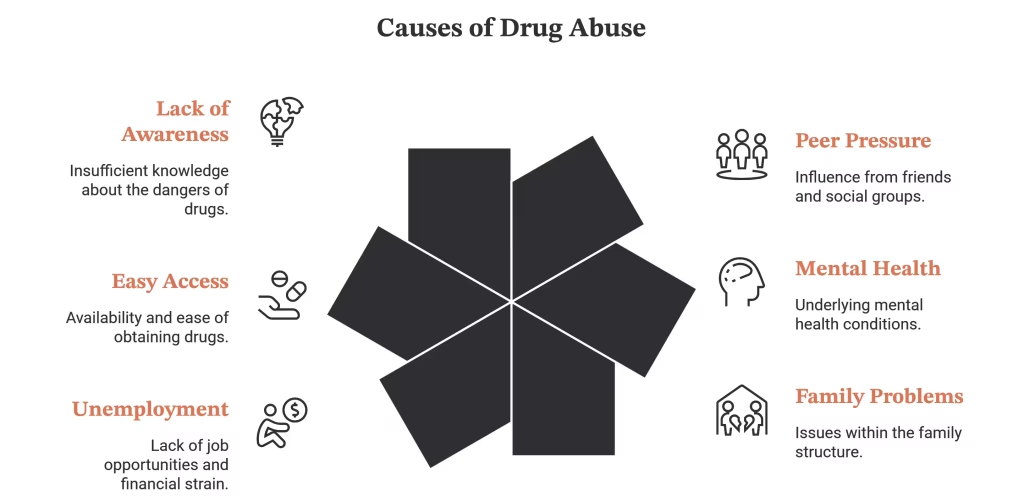
Peer Pressure
For many young people, their first exposure to drugs happens within social groups. The desire to fit in, avoid social exclusion, or to appear mature.
This can lead individuals to try substances. Still today, peer pressure remains one of the most powerful drivers of early drug use in Nepal.
Mental Health Challenges
Depression, anxiety, trauma, and unresolved emotional pain are strongly associated with substance abuse.
Many people use drugs like medicine to dull their mental pain. A little break from hard feelings that they do not know how to handle.
In Nepal, getting help for mental health is still hard to find and brings shame. This is a very common way that emotional pain turns into addiction.
Family Problems
When a home environment is filled with conflict, neglect, parents who drink or use drugs, or a lack of love, young people are at a much higher risk. Children who grow up in these unhappy homes are far more likely to use drugs just to escape the pain and find comfort.
Unemployment and Economic Stress
Nepal’s high youth unemployment rate creates conditions in which substance abuse can flourish.
When young people do not have a good job, a daily routine, or their own money. They end up with too much empty time and very little hope.
This makes trying drugs very tempting and makes it much harder to quit later on.
Easy Access to Drugs
Drugs are very easy to find in Nepal. Especially for young people in cities and near major highways.
Because they are cheap and everywhere. It is easy for kids to try them for the first time. Plus, when everyone around them is using it.
It starts to look normal, making them think it is not a big deal when it really is.
Lack of Awareness
Many individuals and their families do not fully understand the risks of drug use until dependency has already developed.
Many people do not know the warning signs of drug abuse or how to get help. They wait too long to go to rehab, often after the problem has already ruined their lives.
Warning Signs of Drug Abuse
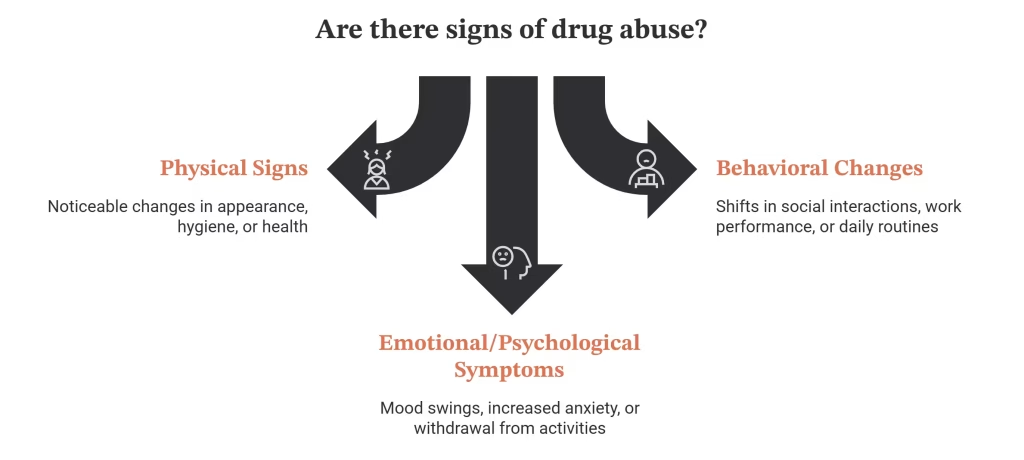
Physical Signs
- Sudden and unexplained weight loss or gain
- Bloodshot or glazed eyes
- Deteriorating personal hygiene and appearance
- Unusual smells on breath, clothing, or skin
- Tremors, slurred speech, or impaired coordination
- Frequent illness or unexplained health complaints
Behavioral Changes
- Withdrawal from family, friends, and social activities
- Secretive behavior, lying, or unexplained absences
- Neglecting school, work, or household responsibilities
- Sudden change in social circle
- Financial problems — borrowing money, stealing, or selling belongings
- Erratic or unpredictable behavior
Emotional and Psychological Symptoms
- Extreme mood swings — euphoria followed by irritability or depression
- Increased anxiety, paranoia, or fearfulness
- Loss of motivation and interest in previously enjoyable activities
- Difficulty concentrating or making decisions
- Emotional numbness or detachment
Signs Parents and Families Should Watch For
Family members are often the first to notice when something is wrong.
If a young person starts staying away from home for a long time, has sudden mood swings, or stops caring about school and the hobbies they used to love. These are the signals to take it seriously. It is also a warning sign if they drop their old friends for a new group but refuse to talk about them.
Early observation and honest, non-judgmental conversation can make a significant difference.
Effects of Drug Abuse on Individuals and Society
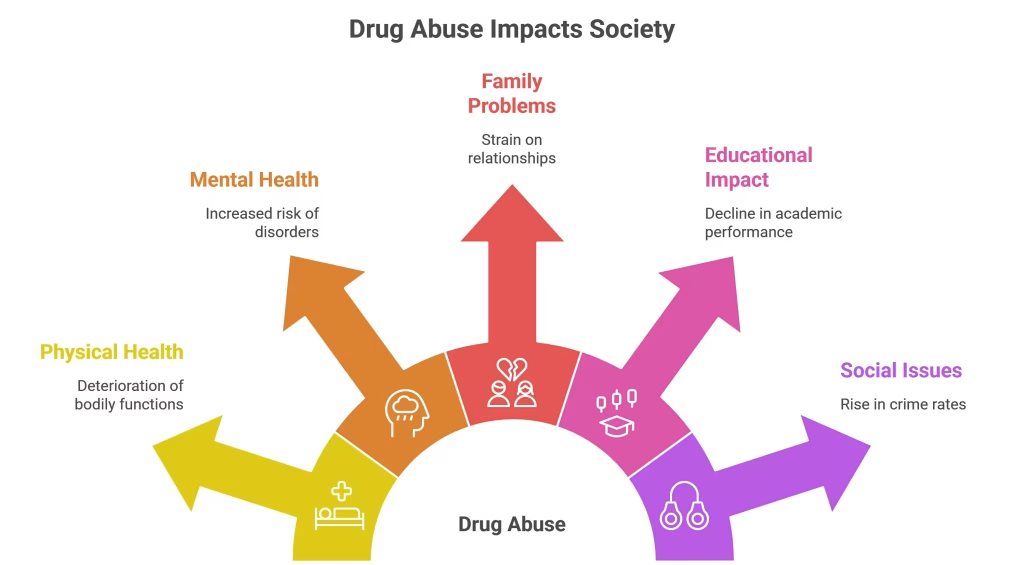
Physical Health Effects
Prolonged drug abuse causes serious and sometimes irreversible physical harm. Different drugs damage the body in different ways. They can ruin your liver, kidneys, heart, and lungs, or make it easy for you to get sick. Sharing needles is even more dangerous. In Nepal, it is a major way people catch deadly diseases like HIV and Hepatitis.
Mental Health Consequences
Drug abuse and mental health disorders are deeply interconnected.
Using drugs can cause or worsen anxiety, sadness, and mental health problems. Often, people start using drugs just to hide from their mental pain.
This creates a trap that is very hard to break. To fix it, you must treat both problems at the exact same time.
Family and Relationship Problems
Addiction places enormous strain on families. Trust erodes, communication breaks down, and financial stress intensifies. When one person struggles with addiction, the whole family suffers. Parents, partners, and siblings.
They often feel deeply sad, stressed, and broken-hearted from living through the pain. Children in affected households are particularly vulnerable to long-term emotional harm.
Educational and Workplace Impact
Drug abuse significantly disrupts academic performance and professional functioning. Students experiencing addiction frequently drop out or fail to meet their potential.
At work, addiction causes people to miss days, do a poor job, or get into accidents. It also leads to fights with coworkers, which hurts the whole company.
Crime and Social Issues
The relationship between drug abuse and crime is well established.
When people run out of money for drugs. They may turn to stealing, cheating, or selling drugs themselves. Because of this, neighborhoods with high drug use usually face more crime and danger. This makes life unsafe for everyone.
How Drug Abuse Can Be Prevented
Family Education
Families are the first line of defense against drug abuse.
Talk openly and honestly with your kids about the dangers of drugs. Keep it simple, don’t yell, and don’t judge them.
When parents listen well and show their kids how to handle stress in a healthy way. It keeps children safe from drugs.
School and Community Awareness
Educational institutions and community organizations play a vital role in prevention.
Good school programs do not just scare kids about drugs. Instead, they teach kids how to think for themselves, stay strong during tough times, and say a firm “no.” Communities need to offer youth programs and safe activities so kids have things to do with their time.
Early Intervention
When warning signs appear, early action matters.
Do not wait for things to get worse. If you are worried about someone, act fast. Talk to them kindly, ask an expert for help, and get them to a counselor right away.
Do not wait for a small problem to become a full addiction. The moment you notice something is wrong, act fast. Talk kindly to the person, ask a professional for help, and connect them with a counselor right away.
Mental Health Support
Addressing mental health proactively reduces the risk of self-medication through drugs.
Making it easy for young people to get counseling and mental health help is the best way to stop drug abuse before it starts.
Reducing stigma around mental health help-seeking is equally important.
Healthy Lifestyle Choices
Playing sports, keeping a daily routine, making good friends, and doing things with a purpose help stop drug abuse before it starts.
When we help young people build these healthy habits and give them safe places to grow, they stay strong enough to say no to drugs.
Treatment Options for Drug Abuse in Nepal
Counseling and Therapy
Professional counseling is the foundation of effective addiction treatment. Talking one-on-one with a counselor helps people understand why they started using drugs in the first place. It teaches them healthy ways to handle stress and pain without turning to substances.
Counselors use proven talking methods that help people heal from past trauma and change the way they think.
Rehabilitation Programs
Staying at a rehab center gives people a safe, quiet place to focus completely on getting better. You stay far away from the people and places that tempt them to use drugs. A good center combines doctor care, counseling, support from others who understand, and life skills to help people stay clean for good.
Family Therapy
Recovery is not a solo journey. Family counseling brings the people you love into the healing process. It helps them understand how addiction works, talk to each other better, set healthy rules, and rebuild trust.
Involving families in treatment consistently improves long-term outcomes for the individual in recovery.
Holistic Recovery Approaches
Effective rehabilitation treats the whole person. Not just the addiction.
Healing the whole person using yoga, exercise, art, and life skills. It helps clear the mind, calm the emotions, and improve health alongside medical care.
These activities give people easy, everyday tools to handle stress and stay sober for good.
Relapse Prevention Strategies
Relapse is a recognized part of the recovery journey. Not a sign of failure.
A good rehab plan gets people ready for the real world before they leave. It helps them spot the things that tempt them to use drugs, teaches them how to handle hard times, and builds a strong circle of supportive people.
Ongoing aftercare and follow-up support are critical components of sustained recovery.
How House of Future Leaders Supports Recovery
At House of Future Leaders in Lalitpur. We provide kind and complete rehab care for families across the Kathmandu Valley and beyond. We are the only Vipassi Rehab Center in Nepal, which means we use mindfulness and special talking methods to help you train your mind and heal.
Personalized Recovery Plans
Every person who comes to us gets a full checkup and a personal plan built around their own story, needs, and goals.
We understand that no two paths to addiction are the same — and no two paths to recovery should be either.
Experienced Counselors
Our trained counselors are highly skilled and truly care about your recovery. They stay right by your side through every step of the journey. Even during the hardest times, with patience, skill, and love.
Family-Centered Treatment
We bring families right into the healing journey via regular counseling and learning sessions. We know that staying clean is much easier when your family is healed, happy, and supporting you every step of the way.
Holistic Recovery Programs
Along with doctor care, we offer yoga, exercise, art, and life skills. This helps people find out who they are, find a real purpose in life, and feel happy again without drugs.
Aftercare Support
Our support does not end at discharge.
With regular counseling, check-ins, and a personal plan for home, we stay right by your side long after you leave our care.
Recovery is a lifelong journey — and we are committed to walking it with you.
Learn more about our drug addiction treatment programs or contact us to speak with our team about admission options.
Conclusion
Drug abuse is a massive problem in Nepal, but there is always hope. With clear awareness, quick action, and professional help, anyone can beat addiction and get their life back.
Learning the warning signs and knowing where to turn is the very first step. If you are struggling yourself, or if you are worried about someone you love, do not wait. Acting fast changes everything.
If you or a family member is ready to take that first step, House of Future Leaders is here for you. Our kind counselors and personal family plans will give you all the support you need to start fresh.
Call or WhatsApp us today for a confidential consultation. Contact House of Future Leaders to begin the Admission Process
House of Future Leaders — Serving Kathmandu, Lalitpur, Bhaktapur, and all of Nepal.
Frequently Asked Questions About Drug Abuse in Nepal
What is the main cause of drug abuse in Nepal?
People turn to drugs for many different reasons. Often, it is a mix of peer pressure, stress, having no job, or problems at home. In big cities, many young people feel lonely, do not know how to handle their pain, and find it very easy to buy drugs.
Which drugs are most commonly abused in Nepal?
Cannabis, heroin, and brown sugar are among the most commonly abused substances in Nepal, particularly in urban centers. Prescription drug misuse and the use of synthetic substances are also growing concerns. Alcohol abuse remains prevalent across all demographics and regions.
How does drug abuse affect mental health?
Using drugs can cause or worsen anxiety, deep sadness, and scary mental health problems. It goes both ways. Many people who hurt inside turn to drugs to feel better, but the drugs only make their mental pain much worse.
Can drug addiction be treated successfully?
Yes. With the right help, counseling, and daily support, anyone can beat drug addiction. Many people fully recover and go on to rebuild their lives, heal their families, and enjoy a bright future.
What role do families play in recovery?
Families are one of the most important factors in successful recovery. When a family learns about addiction, joins in counseling, and offers healthy support, it is much easier for their loved one to stay clean. Healing together as a family helps fix broken relationships and gives everyone the tools to build a better life.
When should someone seek professional help?
The moment drugs start ruining someone’s health, relationships, work, or peace of mind. You should seek professional help.
There is no benefit to waiting. The earlier a person enters treatment, the better their outcomes. If you are unsure whether the situation warrants professional support, it almost certainly does.